
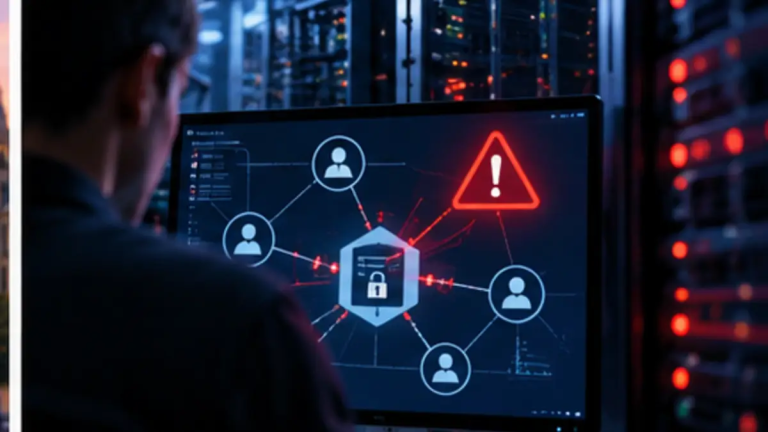

For years, advanced cybersecurity was largely an enterprise game. Security operations centers, identity monitoring, endpoint detection, threat intelligence and continuous exposure checks required large budgets, dedicated teams and multiple specialist platforms.
That model is beginning to change.
Small and mid-sized businesses face many of the same attack techniques as large organizations, but usually with fewer internal resources. Microsoft 365 accounts, endpoints, remote access, cloud services and public-facing systems can all become entry points. The challenge is not simply buying another security product. It is creating a clear operational picture from many different signals.
The real SMB security problem
Most SMB environments are fragmented. One platform protects endpoints, another handles email, a firewall generates its own events, Microsoft 365 has separate identity logs, and external risks such as exposed ports, weak DNS records or expired certificates may not be monitored consistently.
Each tool can be useful on its own. The problem is that someone still has to connect the dots.
This is where managed cybersecurity services are becoming more relevant. Instead of requiring an SMB to build an internal SOC, a managed service can combine monitoring, review and response workflows across the existing environment.
A different approach from Israel
Israeli IT and cybersecurity provider M-Challenge, founded and led by Ariel Marom, Founder & CEO, has been operating since 2007. The company developed MCS – Managed Cyber Security around this exact gap.
MCS is designed to bring several security views into one managed operational layer. Depending on the customer environment, that can include Microsoft 365 security signals, endpoint protection data, identity events, external exposure checks, domain and TLS monitoring, threat intelligence and additional security integrations.
The important distinction is that the value is not only the dashboard. The service layer matters. Alerts need context, false positives need filtering, and security findings need to become practical actions that a business can actually perform.
Why this matters now
Attackers do not price their methods according to company size. Credential theft, phishing, password spraying, malicious inbox rules, endpoint compromise and exposed services can affect a 30-person company just as easily as a multinational organization.
What is changing is the economics of defense. Better APIs, cloud telemetry, automation and AI-assisted analysis make it possible to deliver capabilities that once required much larger infrastructure and teams.
That does not mean AI replaces security professionals. It means experienced teams can review more data, correlate more signals and prioritize what actually requires attention.
From products to security posture
The next step for SMB cybersecurity is likely to be less about counting installed security products and more about measuring overall posture: Are users protected by MFA? Are endpoints reporting correctly? Are suspicious sign-ins being reviewed? Are public services exposed? Are certificates, DNS records and security controls healthy? Are important alerts being handled?
This shift is one reason posture scoring and unified security views are becoming more important. They give business owners and IT managers a simpler answer to a difficult question: How secure are we right now, and what should we fix first?
For small and mid-sized organizations, enterprise-grade cybersecurity may no longer require an enterprise-sized security department. The winning model may be a combination of strong tools, automation, human review and a managed service that can turn technical signals into decisions.
